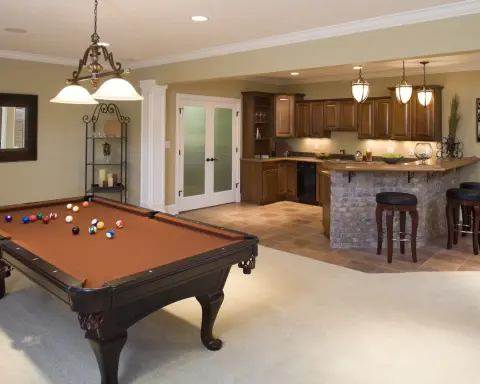

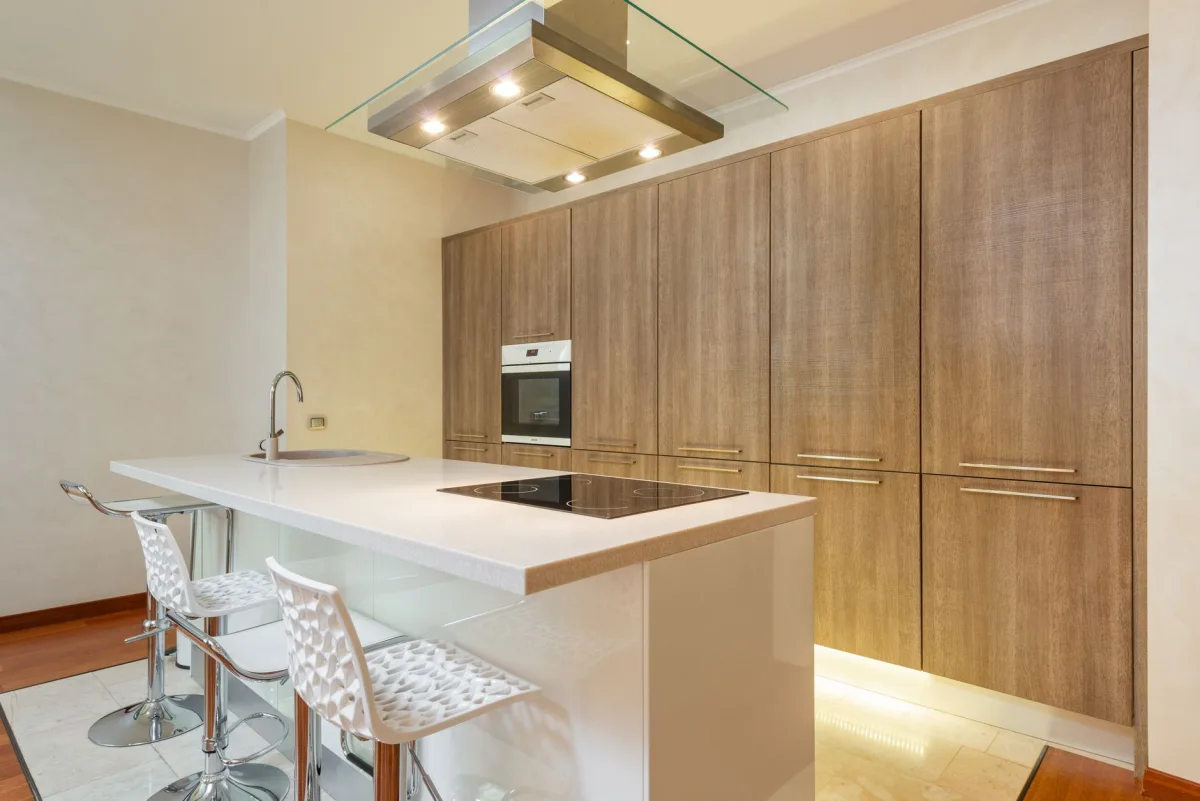
Formaldehyde (HCHO) is the dominant carcinogenic VOC in many residential environments. IARC classifies it Group 1 (known human carcinogen). Indoor sources are pressed-wood products (particleboard, MDF, plywood) made with urea-formaldehyde resin, new flooring and cabinetry, some adhesives and paints, gas combustion, and tobacco smoke. The WHO indoor air guideline is 100 μg/m³ (~80 ppb) as a 30-minute average.
The Sensirion SEN66's VOC channel inside Terrestream reports a unitless 1-500 VOC index, calibrated to an internal rolling baseline. It does not measure, report, or detect formaldehyde, and Terrestream must not be used to detect formaldehyde. MOX-style gas sensing has no per-compound specificity: it cannot isolate formaldehyde from any other gas, and it can never report "you have 23 ppb of formaldehyde". Measuring formaldehyde requires gas chromatography or a dedicated electrochemical formaldehyde sensor (such as Sensirion's separate SFA30), which the SEN66 does not contain. If you suspect formaldehyde, obtain a dedicated test or professional advice.
For compliance-grade measurement, the standard methods are: passive samplers (DNPH-coated cartridges, exposed for 24-72 hours then sent to a lab; cost about $50-150), or active sorbent tubes pulled with a calibrated pump (industrial hygiene work). The CARB Phase 2 standard for composite wood products and the EU E1 emission classes are written against these methods, not against MOX sensors.
The VOC index can flag that something changed - a general rise after new furniture or paint arrives, say - but it cannot attribute that change to formaldehyde, and you must not treat it as a formaldehyde reading. The response to a formaldehyde concern is the same either way: bake out the new items (warm room, high ventilation for several days), choose low-VOC products, and get a passive-sampler test or professional advice if concern or symptoms persist. See low-VOC finishes and post-renovation IAQ.
This is environmental information, not medical advice. The dashboard's readings help you make decisions about the air in your space. They do not diagnose conditions, interpret symptoms, or replace conversations with your physician. If symptoms persist, worsen, or coincide with a known exposure, talk to a healthcare professional. See what Terrestream's advice covers.
References
- WHO - Formaldehyde indoor air guideline www.who.int
- California ARB - Composite Wood Products ATCM ww2.arb.ca.gov
- EPA - Formaldehyde www.epa.gov
- OSHA - Formaldehyde www.osha.gov