
Standard atmospheric pressure at sea level is 1013.25 hPa (also written 29.92 inHg). The number varies on three timescales: weather (a few hPa over hours, large drops before storms), altitude (about 12 hPa per 100 m), and very long-term geophysical (decades). The sensor reports it because the same data drift powers a number of useful behaviors.
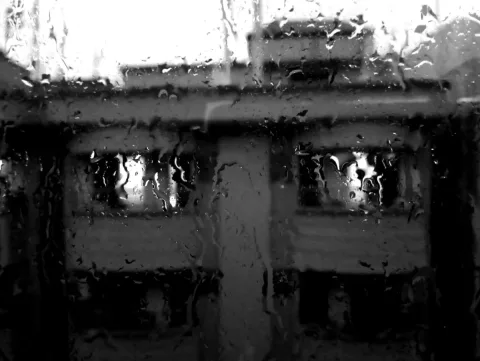
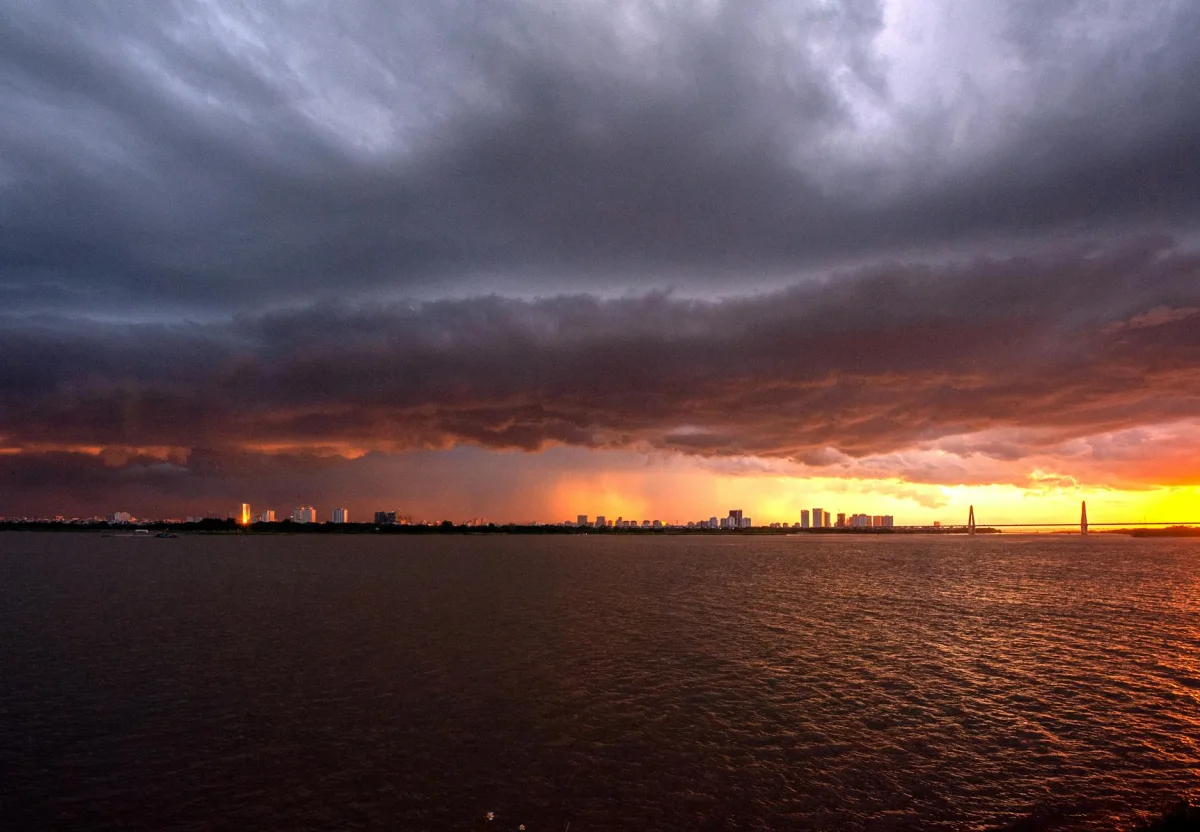
Most usefully, a falling barometer often signals unsettled or stormy weather on the way, and a rising one fair weather. NOAA notes that this rule of thumb holds in many places but not all: in the U.S., the largest storm-related pressure swings occur in Alaska and the northern half of the continental U.S., and in the tropics, apart from tropical cyclones, pressure barely changes from day to day and the rules don't apply. Indoor pressure tracks outdoor pressure almost exactly, so the sensor works as a free barometer.
Pressure changes also have direct human effects. Mukamal et al. found measurable correlations between sudden barometric drops and migraine onset. Sinus pressure, joint pain in osteoarthritis, and sleep-disordered breathing have similar weaker associations. For people who respond to weather changes, watching the sparkline turn down is genuinely actionable.
The sensor uses a Bosch BMP390L with ±0.5 hPa absolute accuracy and very low noise: well below the threshold of any human-relevant change.
References
- NOAA JetStream - Atmospheric pressure www.noaa.gov
- Bosch - BMP390L pressure sensor datasheet www.bosch-sensortec.com
- Mukamal et al. - Weather and migraine pubmed.ncbi.nlm.nih.gov
- Doherty et al. - Barometric pressure changes and sleep-disordered breathing doi.org