
Roughly 25 million Americans have asthma. The disease is multifactorial, genetic susceptibility, viral infections, allergic sensitization, but symptom severity is overwhelmingly driven by environmental triggers, most of which are indoors. EPA's trigger list is the canonical reference.
The big indoor triggers in North American homes: dust-mite allergen, mold and dampness, pet dander (especially cat), cockroach allergen (urban areas, multi-family housing), gas-stove NOx, secondhand smoke, fragrance and cleaning-product VOCs, fine particulates (cooking, candles, wildfire), and cold-dry air in winter. GINA's global strategy report covers most of these triggers.
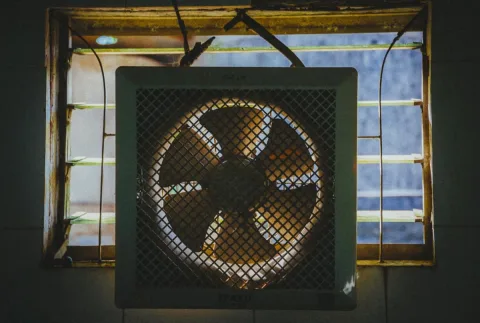
What Terrestream can see directly: PM2.5 and PM10 events, NOx-index spikes from cooking, VOC-index bursts from cleaning, and humidity high enough to favor mold and dust mites. It also checks outdoor pollen and ozone. It does not see the allergens themselves (dust-mite, pet or cockroach allergen) or mold spores. Terrestream has no asthma setting and collects no health information: every home gets the same color bands and the same alerts. If someone in your home has asthma, their asthma action plan decides which readings matter most; for example, you might run the range hood or an air purifier as soon as particles or the NOx index leave the green band.
For active management, beyond the air itself: an asthma action plan with your physician, allergen-impermeable bedding covers, weekly hot-water laundering, HEPA filtration in the bedroom, and stove ventilation are the highest-yield interventions across most US/Canadian housing. NIH NIEHS publishes evidence-based reviews for clinicians and patients.
This is environmental information, not medical advice. The dashboard's readings help you make decisions about the air in your space. They do not diagnose conditions, interpret symptoms, or replace conversations with your physician. If symptoms persist, worsen, or coincide with a known exposure, talk to a healthcare professional. See what Terrestream's advice covers.
References
- EPA - Asthma program www.epa.gov
- EPA - Asthma triggers: gain control www.epa.gov
- GINA - Global strategy for asthma management ginasthma.org
- NIH NIEHS - Asthma overview www.niehs.nih.gov