
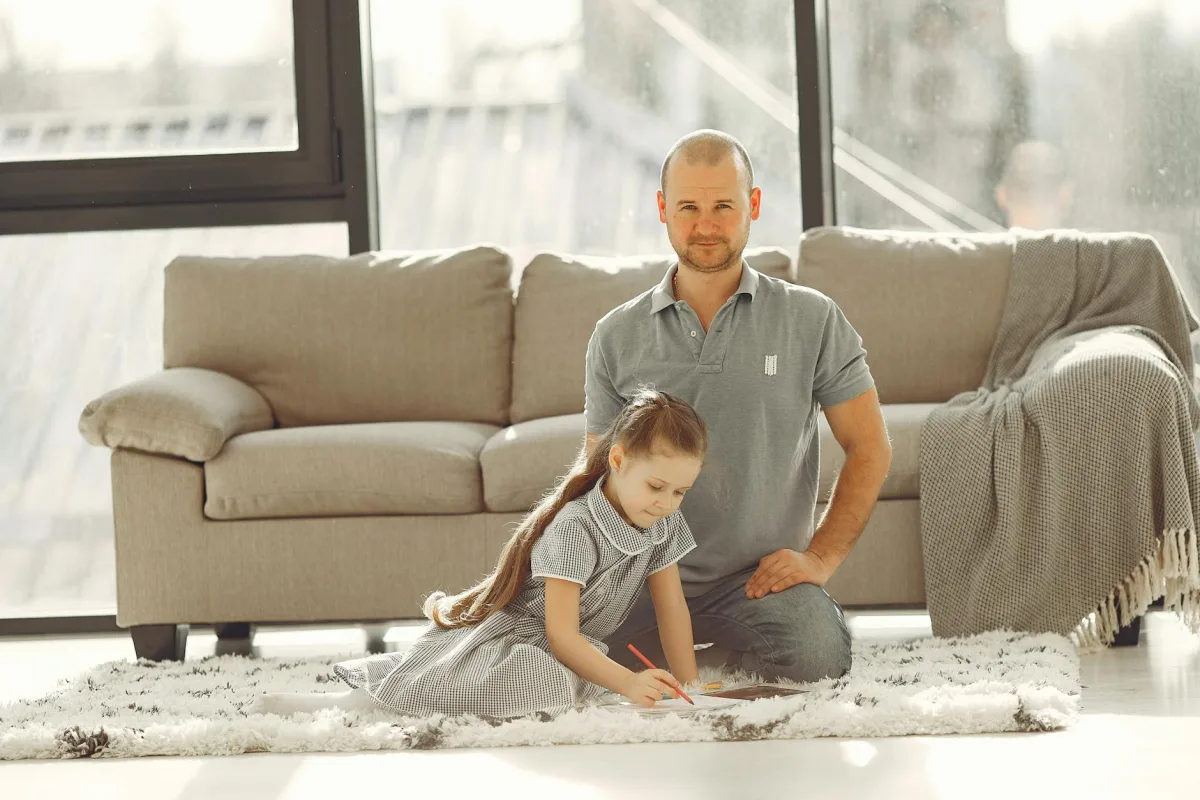
Children are not small adults when it comes to air-quality exposure. They breathe faster than adults and, as the American Academy of Pediatrics notes, take in more air for their body weight. For any given concentration in a room, a child's dose per kilogram is higher.
Their respiratory and immune systems are also still developing. WHO's air-pollution-and-child-health review documents the consequences: childhood air-pollution exposure is associated with reduced lung-function growth (a deficit that persists into adulthood), elevated asthma incidence, and measurable cognitive effects in long-term outdoor PM2.5 studies.
Specific indoor risks worth flagging: gas-stove NOx (the RMI synthesis attributes 12.7% of U.S. childhood asthma to gas-stove exposure); secondhand smoke and vaping aerosol; pet dander and dust-mite allergens in carpeted bedrooms; mold from chronic dampness. Terrestream has no setting for children: every household gets the same bands. The readings that map to these risks are PM2.5 and PM10 (smoke, cooking, dust), the NOx index (combustion; it is an index, not an NO2 concentration) and humidity (dampness).
For a child's bedroom: keep RH between 40-50% (low end of the comfort band, limits dust mites), HEPA-filter air during pollen season, avoid burning anything in the room, ventilate aggressively after cleaning. EPA publishes pediatric-specific guidance with more detail.
This is environmental information, not medical advice. The dashboard's readings help you make decisions about the air in your space. They do not diagnose conditions, interpret symptoms, or replace conversations with your physician. If symptoms persist, worsen, or coincide with a known exposure, talk to a healthcare professional. See what Terrestream's advice covers.