

The air-quality literature's strongest mortality signal is for adults aged 65 and over. Di et al. analyzed the U.S. Medicare cohort (60+ million people-years) and found a clear positive association between long-term PM2.5 exposure and all-cause mortality, with effects detected well below current EPA standards. The AHA cardiovascular statement attributes most of that signal to cardiovascular causes.
Three factors compound. First, time indoors rises with age (approximately 87% for working-age adults vs. 92-95% for 65+), so indoor air quality dominates total exposure even more. Second, cardiovascular reserve declines with age, which makes ambient PM2.5 spikes more likely to translate into acute events (heart attacks, strokes, arrhythmias). Third, common medications (beta-blockers, blood thinners, immunosuppressants) interact with air-pollution effects in ways the clinical literature is still mapping.
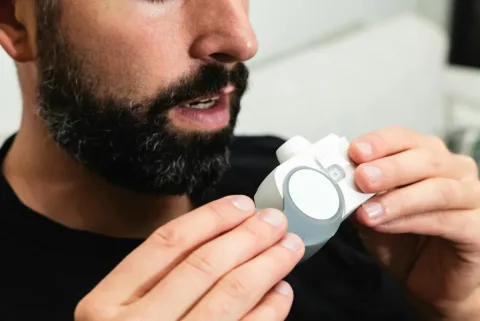
Practical implications: Terrestream uses the same bands for everyone and has no older-adult setting, so decide with your clinician how cautious to be. Two reference points help: the WHO 2021 annual PM2.5 guideline is 5 µg/m³, and the U.S. EPA annual standard is 9 µg/m³. Terrestream can alert you when particles are rising or wildfire smoke is nearby, and it compares indoor air with outdoor air-quality data before suggesting you open windows. Older adults also tolerate cold less well, so indoor temperature matters more.
Frailty also matters for humidity. Older adults are more susceptible to both desiccation-related symptoms in winter (sinus issues, skin breakdown, increased viral susceptibility) and heat stress in summer (impaired thermoregulation at high apparent temperatures, see apparent temperature). Terrestream shows indoor humidity and temperature on the same bands in every home, and it can flag very dry air during the heating season and rooms that get too warm, including bedrooms at night.
This is environmental information, not medical advice. The dashboard's readings help you make decisions about the air in your space. They do not diagnose conditions, interpret symptoms, or replace conversations with your physician. If symptoms persist, worsen, or coincide with a known exposure, talk to a healthcare professional. See what Terrestream's advice covers.