
Most of the high-impact indoor-air interventions don't require touching anything the landlord owns. The HVAC system, the building envelope, and the mechanical ventilation are usually off-limits, but a renter can do most of what actually moves the readings. The constraint is mostly about commitment to moving the equipment when the lease ends.
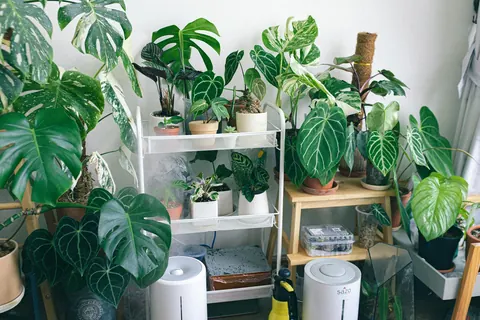
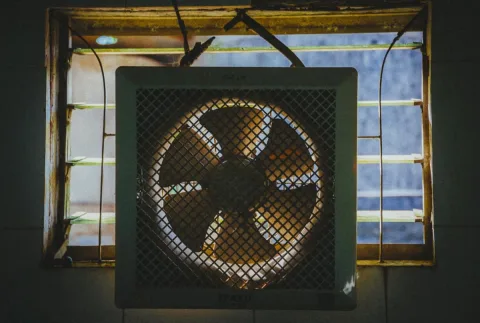
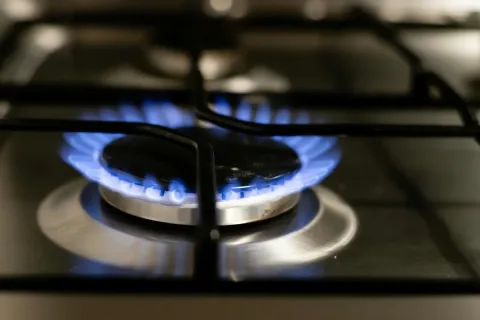
No-permission interventions: HEPA purifiers (the single biggest move) sized to your living areas; a range hood that actually vents (if your kitchen has an outdoor-vented hood, use it religiously; if it recirculates, supplement with an open window during cooking); a plug-in dehumidifier in chronically damp spaces; bathroom exhaust fan timer switches to ensure the fan runs after showers (small electrical work; check your lease); induction countertop unit for stovetop cooking if you have a gas range and don't want to replace it; frequent vacuuming with a HEPA-filter vacuum; changing the HVAC filter yourself with a MERV-11 or MERV-13 (verify your system can handle it before upgrading); weather-stripping the door to an attached garage if you have one.
Things that need landlord agreement (worth asking): HVAC filter upgrade beyond MERV 8, range-hood replacement, bathroom fan replacement, attached-garage seal upgrade, mold remediation. Many landlords say yes if you pay for parts and don't touch hard wiring; HUD's Healthy Homes initiative documents the tenant-landlord intersection.
When the lease ends: HEPA units travel with you. Dehumidifiers travel. Range-hood add-ons (a $30 fan booster) do not; consider those replaceable. After the move, update the sensor's room in the app and give it a few days: CO2 self-calibration needs fresh air, and Terrestream needs some history before it knows each room's usual levels.
References
- EPA - Guide to air cleaners in the home www.epa.gov
- EPA - DIY air cleaners for wildfire smoke www.epa.gov
- HUD Office of Lead Hazard Control & Healthy Homes www.hud.gov
- EPA - Improving indoor air quality www.epa.gov