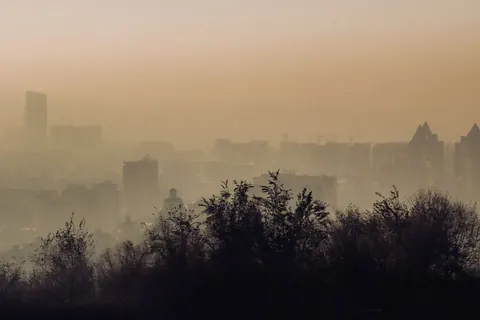

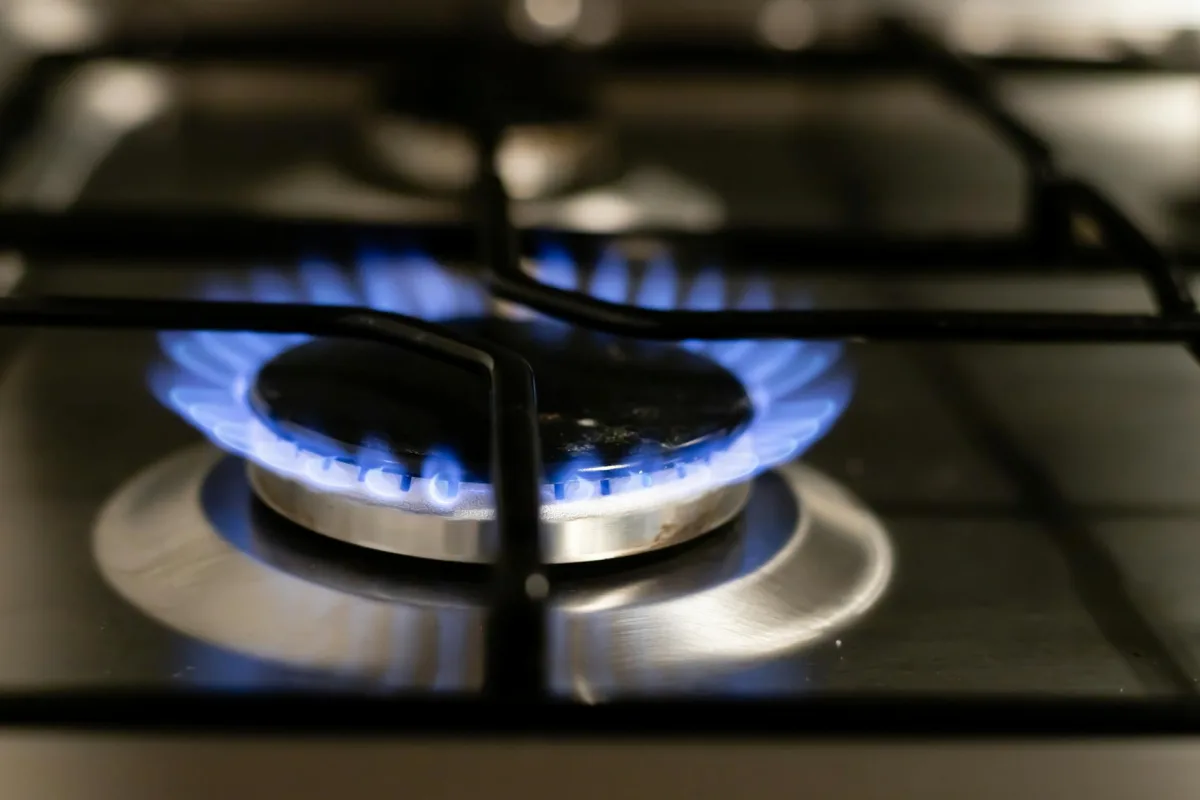
Nitrogen oxides (NO and NO2, written together as NOx) form whenever combustion is hot enough to fuse atmospheric nitrogen with oxygen. Outdoors, the main source is vehicle and power-plant exhaust. Indoors, it is overwhelmingly gas appliances: stoves, ovens, water heaters, and fireplaces.
NO2 is the one with the clearer health record. The EPA NAAQS 1-hour standard is 100 ppb. Multiple large studies (see the RMI synthesis) link childhood gas-stove exposure with a meaningfully higher rate of asthma diagnosis. Health Canada's residential guideline is 90 ppb (170 µg/m³) over 1 hour and 11 ppb (20 µg/m³) over 24 hours.
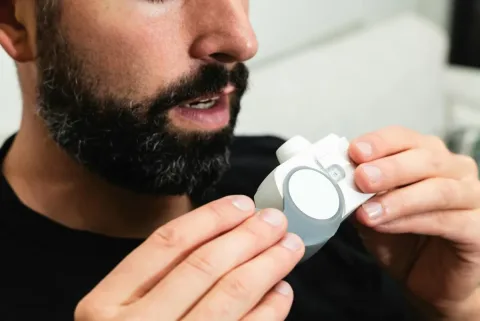
The SEN66 reports a NOx index on a 1–500 scale, like the VOC index, but with a different resting point: in clean air the NOx index sits at 1, and combustion pushes it up. A pan on a gas burner with no range hood will routinely push it past 250 within minutes. Outdoor NOx drifts in through open windows in dense urban areas: a busy-street apartment can read elevated even with nothing running indoors.
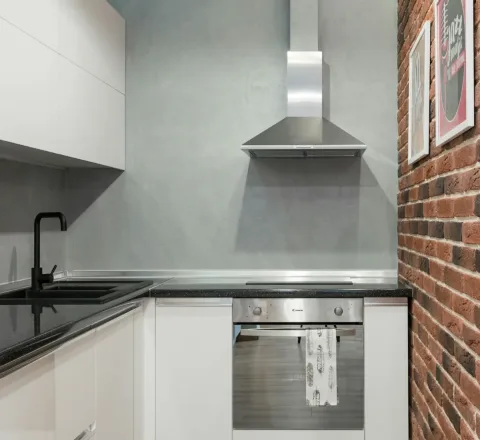
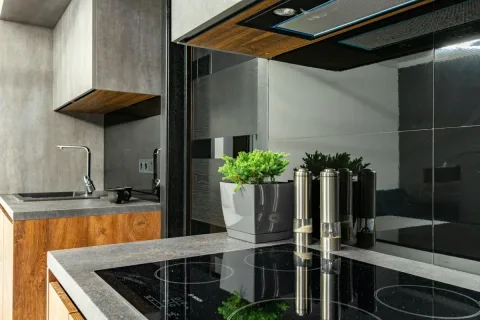
What to do: always run the range hood when using a gas stove (and verify it vents outdoors, not just back into the room). For homes with a gas range, an induction cooktop is the largest single-step reduction available. For chronic outdoor NOx, an HRV with an extended-surface filter reduces transit-related infiltration.
References
- EPA - Basic information about NO₂ www.epa.gov
- RMI - Gas stove pollution and health rmi.org
- Sensirion - NOx index info note sensirion.com
- Health Canada - Residential NO₂ guideline www.canada.ca