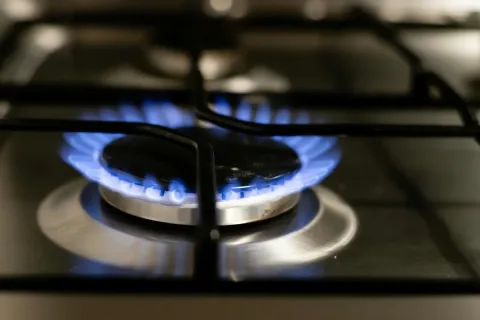
NOₓ: gas stoves, traffic, asthma
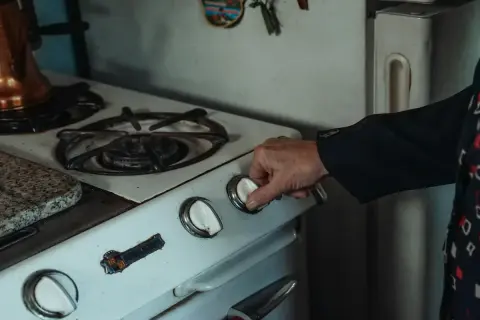
Nitrogen oxides come from combustion. Indoors, the main source is a gas stove. The health link with childhood asthma is robust.

Guides & support
Set up your sensor, connect your home, and make sense of your air.
Tagged: CombustionBrowse all guides
1–11 of 11 guides
Nitrogen oxides come from combustion. Indoors, the main source is a gas stove. The health link with childhood asthma is robust.
Below 100 nanometers, particles get small enough to cross from lungs into bloodstream. The SEN66 sees PM₁ but stops there.
SO₂ comes from burning sulfur-bearing fuels: coal, heavy oil, diesel ships, volcanic activity, and wildfires. The device does not measure it; the dashboard pulls it from Open-Meteo.
A pan on a gas burner produces a remarkably consistent multi-pollutant signature: NOx, fine and ultrafine particles, VOCs, and humidity, rising and falling together. Each cooking method leaves its own version of it.
A single candle can push a small room past 100 µg/m³ PM₂.₅ in under ten minutes. Incense is worse.
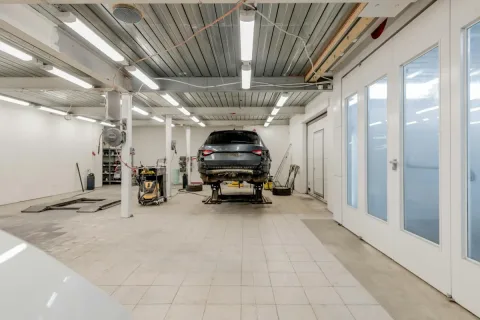
A running engine ten feet from your living space. Cold-start emissions are the worst. Door seals matter more than you think.
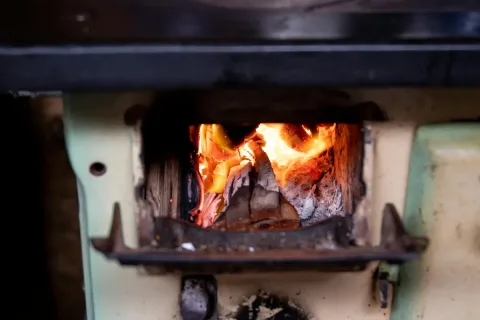
Solid-fuel combustion produces the largest, longest-lasting PM event most homes ever see indoors. Even a well-tended fire shifts the baseline for hours.
Tobacco smoke, cannabis smoke, and vape aerosol all show on the sensor, and their health profiles differ significantly. Here is what each looks like indoors, how it travels, and what helps.
Anything that burns indoors produces a multi-pollutant signature: NOx, fine particulates, VOCs, ultrafines, and (sometimes) CO. The dashboard has a shared interpretation framework for all of them.
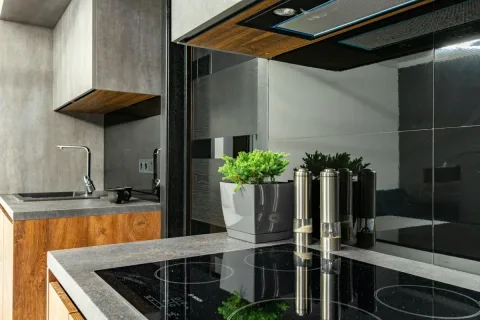
Indoor NOₓ comes from combustion. The intervention hierarchy starts with eliminating sources and ends with capture-and-exhaust for what remains.
NOx Index is a combustion-pattern signal. It is not a regulatory NO₂ concentration measurement.
Search the knowledge base.