

La cuisson est la source PM et COV intérieure dominante pour la plupart des foyers. Motifs de co-mouvement et cuisson au gaz couvrent les bases. Cet article va plus loin : chaque méthode de cuisson a son empreinte propre, et le tableau de bord les différencie.
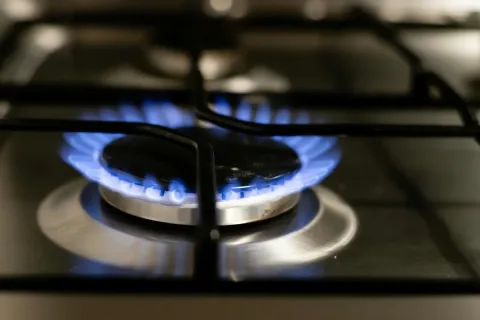
Cuisson au gaz : le NOx monte fortement à l'allumage du brûleur, les PM2,5 suivent depuis la nourriture, les COV viennent de la nourriture et de la combustion, l'humidité vient de l'humidité de la nourriture. Lebel et al. ont mesuré les émissions de méthane et NOx des cuisinières au gaz naturel ; le tableau de bord reconnaît la signature NOx-en-premier. Cuisson à induction : PM2,5 et COV de la nourriture seule, pas de hausse NOx, CO2 minimal de combustion. Le diagnostic est l'absence de NOx aux côtés des PM et COV de source-nourriture.
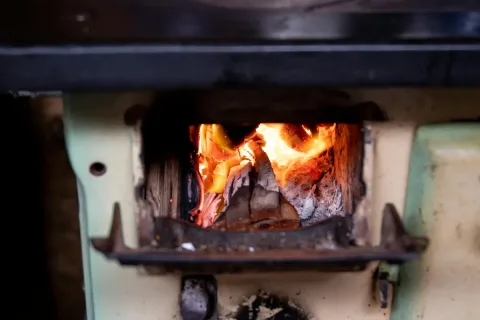
Friture : pics dramatiques de PM2,5 d'aérosol d'huile, dominants dans la plage 0,1 à 1,0 µm, soutenus tout au long de la séance de friture. Rôtissage (four) : montée PM plus lente, dominante en COV par caramélisation et réactions de Maillard, soutenue sur 30 à 90 minutes. Grillade (gril électrique intérieur ou plaque) : PM2,5 élevées avec fraction de fumée, similaire à la friture mais avec signature COV de type charbon. Singer et al. ont mesuré les aérosols de cuisine à travers ces méthodes.
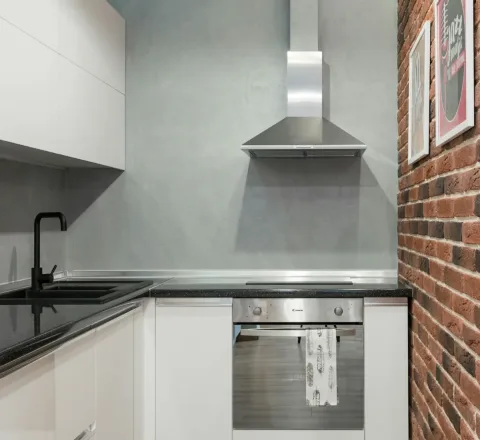
La notification « cuisson détectée » du tableau de bord inclut une classification de méthode quand la signature est assez nette. Un utilisateur avec une cuisinière au gaz qu'on offre une plaque à induction et qui change verra le motif NOx-pendant-cuisson du tableau de bord essentiellement disparaître en une semaine ; la référence d'exposition cumulative baisse en conséquence. L'usage de la hotte apparaît aussi dans les données : hotte-marche réduit tous les pics de paramètre de 70 à 90 % par rapport à hotte-arrêt dans la même pièce, voir évacuation de hotte.