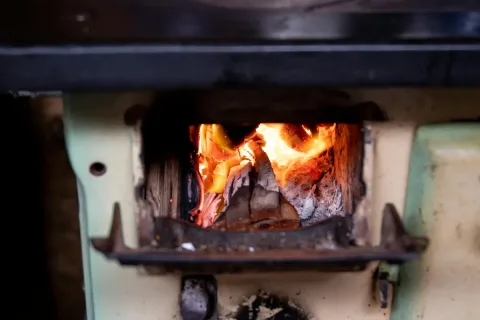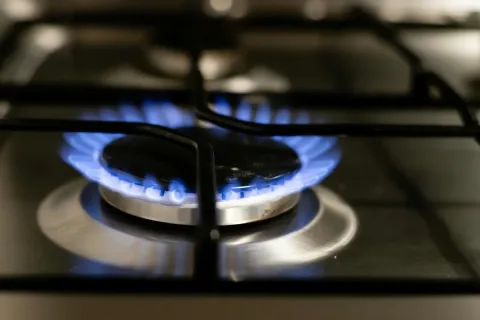

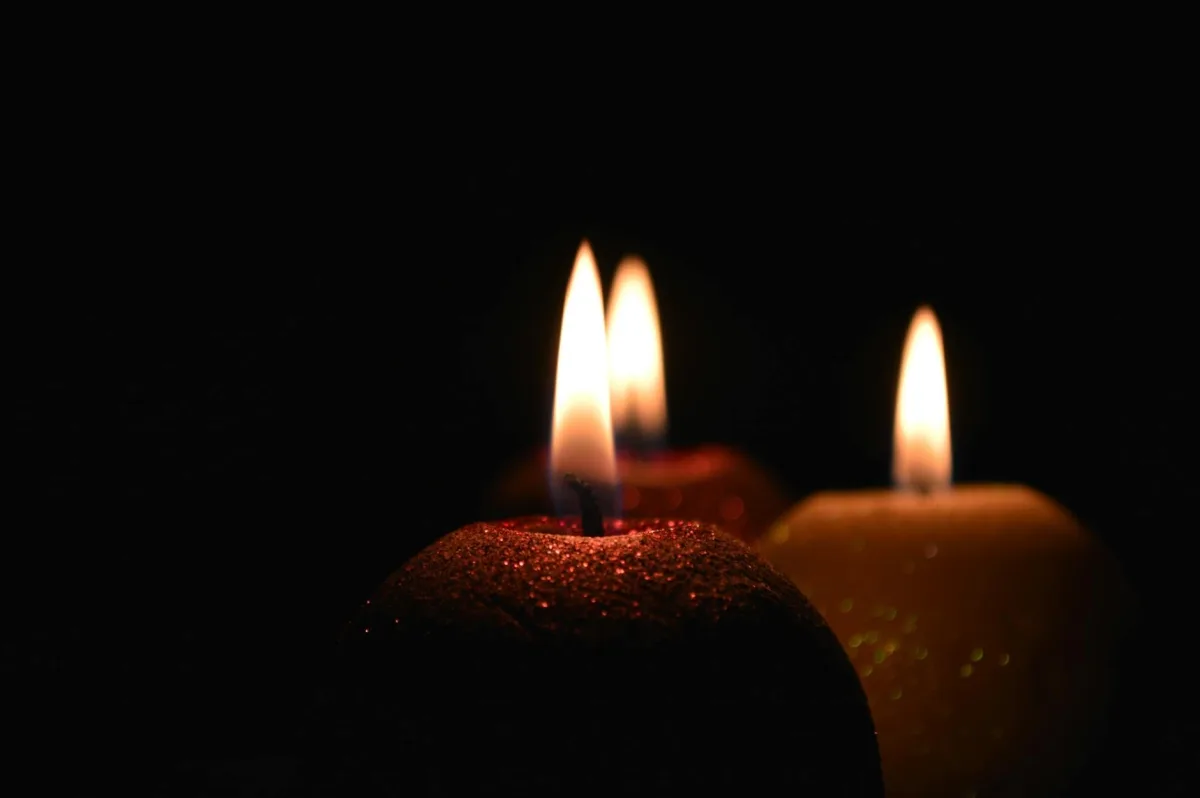
Every flame is a particle source. Even the cleanest-burning candle deposits soot at some rate; lower-quality candles (paraffin wax with synthetic fragrance), poorly trimmed wicks, and any kind of incense are dramatically worse. A single stick of cone incense in a small room produces PM2.5 levels routinely above 200 µg/m³ for the duration of the burn.
Derudi et al. burned container candles made from different paraffin waxes in a test chamber and found that wax quality strongly affects their emissions of particles, polycyclic aromatic hydrocarbons, aromatic compounds, and aldehydes. Lin's incense work documents complex VOC and PAH emissions, including known carcinogens.
Indoor air does not need to be combustion-free to be healthy. The threshold concern is duration and density. Burning one beeswax candle at dinner is unlikely to produce sustained elevation; burning six paraffin candles in a closed bedroom every night for a year is a meaningfully different exposure profile.
Practical guidance: ventilate during and immediately after burning, choose natural-wax candles with cotton wicks if possible, never burn incense in a bedroom, trim wicks to 1 cm before each light. Terrestream shows the PM2.5 and VOC rise a candle or incense stick causes, but from the readings alone it cannot tell a candle from cooking or other combustion, and it may describe a candle's fine particles as possible cooking.
References
- EPA - Indoor air quality basics www.epa.gov
- Lin et al. - Incense burning emissions pubmed.ncbi.nlm.nih.gov
- Derudi et al. - Emissions from candles of different wax composition doi.org
- EPA - Improving indoor air quality www.epa.gov