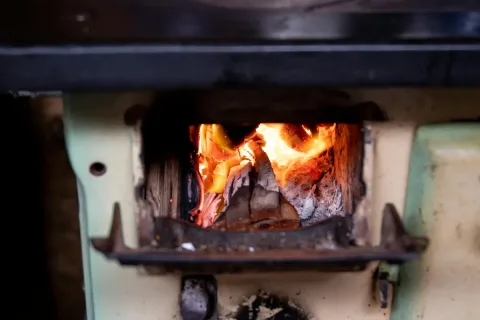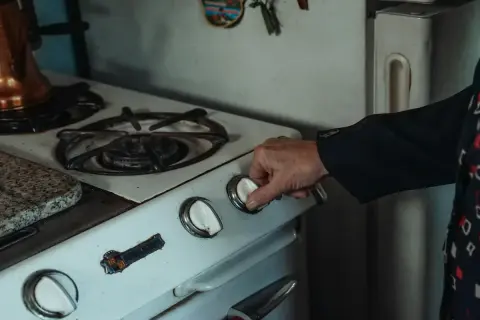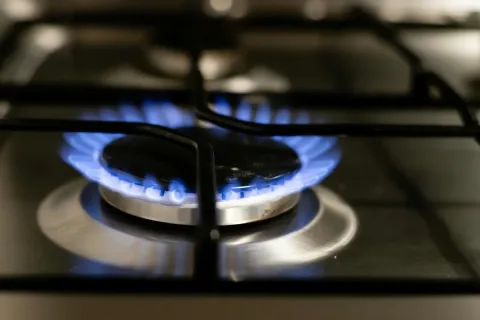

Indoor NO2 is essentially a combustion accounting problem. The sources, in rough order of contribution to residential exposure: gas cooktops and ovens, gas water heaters with indoor-vented or atmospheric-vented exhaust, attached-garage vehicle migration, gas-fired clothes dryers, wood stoves and fireplaces, and outdoor air infiltration during traffic peaks. WHO's 2021 update lowered the indoor NO2 annual guideline to 10 μg/m³; even modest gas-cooking households often exceed this on cooking days.
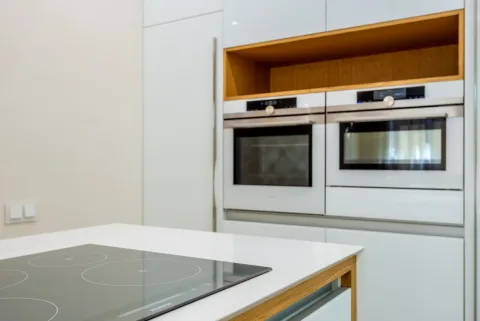
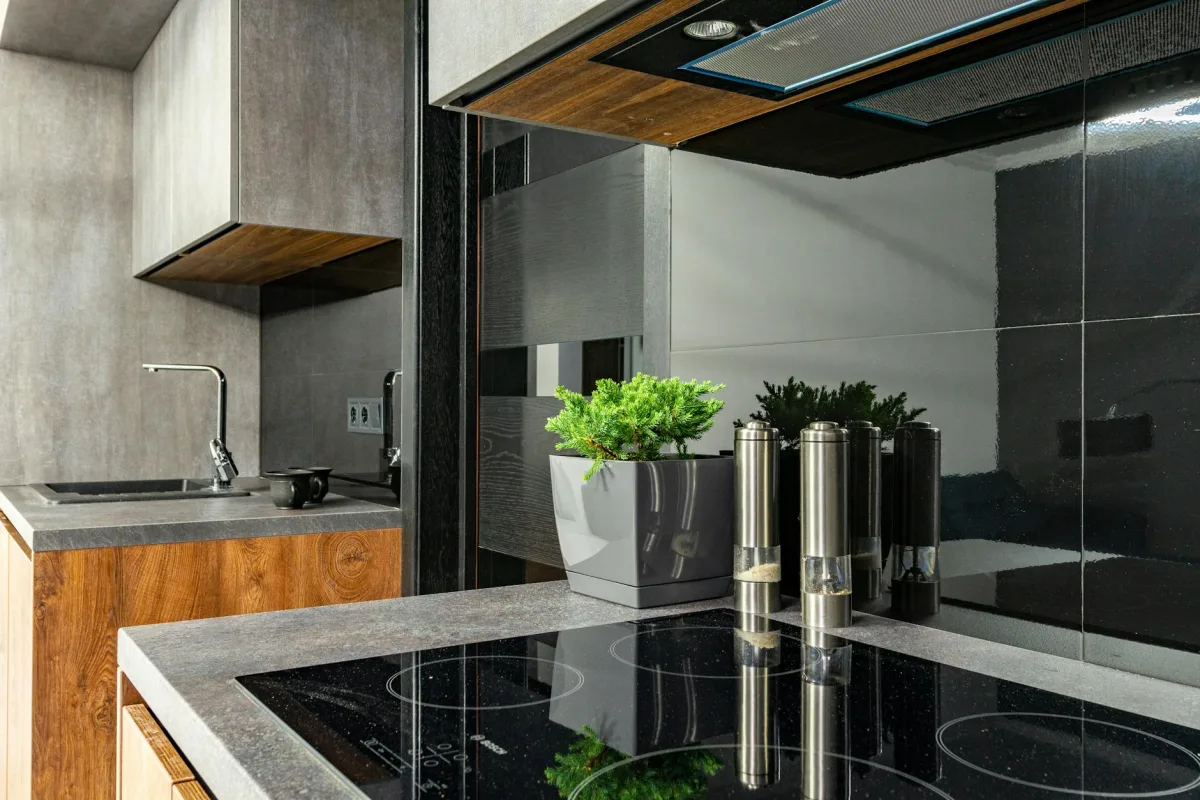
Best: eliminate the combustion source. Replacing a gas range with induction is the single highest-leverage intervention. Induction is faster, more efficient, easier to clean, and produces zero indoor combustion emissions. RMI documents NO2 reductions of 50-90% in homes that converted. Equivalent for water heating: heat-pump water heater. For clothes drying: heat-pump or ventless condensing electric. For space heating: heat pump (best) or sealed-combustion gas furnace (acceptable).
Second-best: capture-and-exhaust everything that remains. Range hoods are not optional with gas cooking; they should be (a) exhausted to the outdoors (not "recirculating", which moves the pollutants around the kitchen without removing them), (b) sized appropriately (≥300 CFM for a typical 30-inch range, more for high-BTU professional ranges), (c) covering the entire cooktop footprint, and (d) run from before ignition until 10 minutes after the last burner is off. See range hood usage.
Things that do not work. Opening a window without exhaust does not work (NO2 stratifies near the ceiling and recirculates). Plants do not work. "Air purifiers" without an active NO2 sorbent do not work; HEPA does nothing for gases, and activated carbon needs to be specifically formulated for NO2 capture (most consumer-grade activated carbon is not). Closing the kitchen off from the rest of the house only helps the rest of the house, while cooking-area exposure remains high. See gas stove cooking for the exposure profile.
This is general guidance, not a substitute for professional assessment of your specific home. Major interventions (HVAC redesign, sealing a leaky envelope, mold remediation, electrical work for fans or venting) should be done with a certified professional. For chronic problems that don't respond to the steps here, see when to call a pro.
References
- WHO - Global air quality guidelines (NO₂) www.who.int
- CPSC - Carbon monoxide information center www.cpsc.gov
- RMI - Gas stoves, pollution and health rmi.org
- EPA - Improving indoor air quality (combustion) www.epa.gov