
The first-order physics is unforgiving: every cubic foot per minute (CFM) of outside air you bring into a conditioned home is one CFM of conditioned air leaving, and you pay to bring the new air back to your setpoint. In a 0°F (-18°C) Minneapolis winter, raising 200 CFM of outdoor air from 0°F to 70°F takes roughly 4.4 kW (about 15,000 BTU per hour) of continuous heating. In a humid 95°F Atlanta summer, the same airflow adds roughly 3.5 kW of cooling load, about two-thirds of it for removing moisture. The ASHRAE 62.2 residential ventilation rate (3 cfm per 100 sq ft plus 7.5 cfm per occupant) for a typical 2,000 sq ft 4-person home is about 90 CFM continuous, so the real numbers are smaller than 200-CFM example, but the proportionality holds.
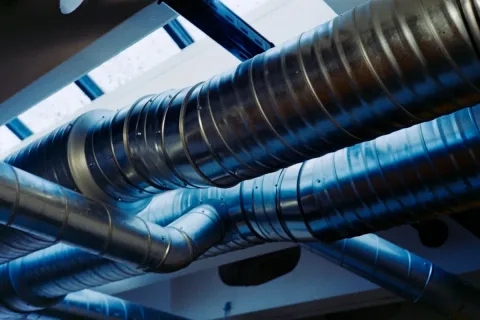
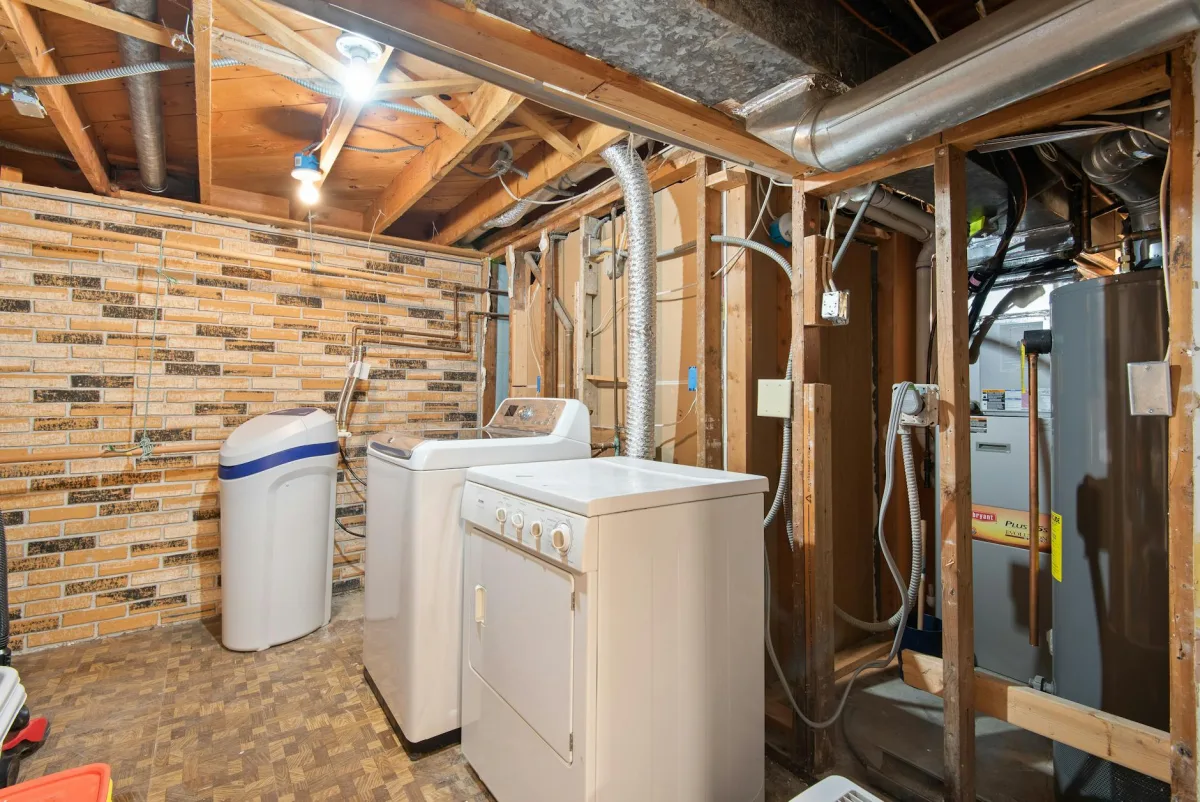
The energy-recovery answer is the heat-recovery ventilator (HRV) or energy-recovery ventilator (ERV). Both run two airstreams (incoming outside, outgoing inside) past each other across a thermal exchanger. DOE's Building America Solution Center puts their sensible-heat recovery at typically 55 to 95%, with the higher values costing more. At 75%, that 4.4 kW Minneapolis winter penalty drops to about 1.1 kW. ERVs also transfer moisture (sensible + latent recovery), which makes them the better choice in humid climates where dehumidification load dominates.
The climate-zone-dependent recommendation: cold dry climates (zones 6-8): HRV beats open windows for sustained ventilation; window-cracking is fine in shoulder seasons but expensive mid-winter. Hot humid climates (zones 1-2): ERV beats HRV (latent recovery matters more than sensible), and open windows are a humidity disaster on most summer days. Mild marine climates (zone 4C, parts of zone 5): natural ventilation handles most of the year; mechanical ventilation only matters during heat waves and cold snaps. Mixed climates (zones 3-5): the answer is "it depends on the day", which is exactly what demand-controlled ventilation is for.
Why "just open more windows" is sometimes wrong: in a humid summer, you import moisture you then have to dehumidify; in a polluted-outdoor-air period, you import the very PM2.5 or ozone you were trying to dilute. Terrestream checks outdoor air data before it recommends opening windows: it holds the suggestion back when outdoor smoke, fine particles, ozone, NO2 or dust are high, or when it is raining, and it notes when outdoor air will add moisture. When outdoor air is worse than indoor air, it recommends keeping windows closed instead. The economic case for an HRV/ERV strengthens in proportion to how often the outdoor air is unsuitable for direct intake. For envelope considerations see sealing and air tightness.
References
- ASHRAE Standard 62.2 - Residential ventilation www.ashrae.org
- DOE Building America - Whole-house ventilation (ERV/HRV) basc.pnnl.gov
- ENERGY STAR - Ventilating fans (ERV) www.energystar.gov
- LBNL - Residential building publications buildings.lbl.gov