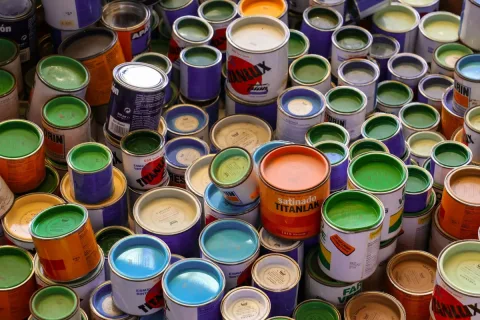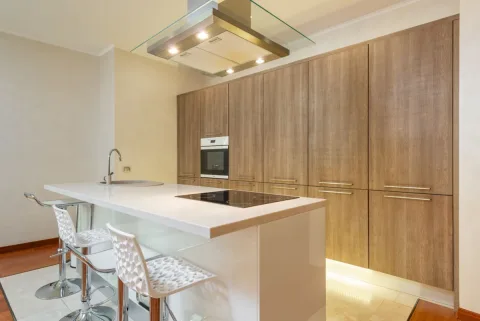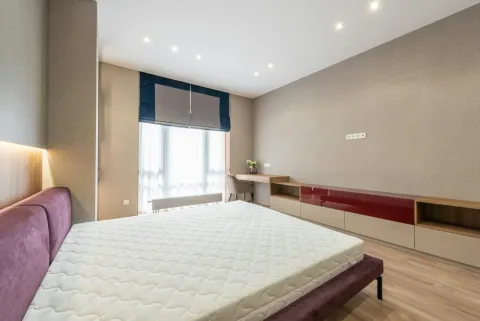

When you renovate, paint, or furnish, the largest VOC story is in the materials you choose, not the cleaning you do afterward. The dominant emission sources in a typical renovation, in rough order of contribution: pressed-wood cabinetry and furniture (formaldehyde from urea-formaldehyde resins), new flooring (VOCs from adhesives plus the flooring itself), paints and primers, and finally adhesives and sealants. Picking lower-emission versions of these four categories handles most of the post-renovation IAQ burden before it starts. See post-renovation IAQ for the full timeline.
The certifications worth recognizing: Green Seal GS-11 for paints (≤50 g/L VOC flat, ≤100 g/L non-flat). GREENGUARD Gold for furniture, mattresses, and building materials (tested for over 360 VOCs including formaldehyde, with stricter limits than regular GREENGUARD). CARB Phase 2 for composite wood (HCHO emission ≤0.05 ppm for hardwood plywood, ≤0.09 ppm for particleboard, ≤0.11 ppm for MDF). FloorScore for hard flooring. EU E1 (≤0.124 mg/m³ HCHO) for European imports. Cradle to Cradle Gold or Platinum is broader (it covers more than emissions) but tends to correlate with low VOC.
Two common misunderstandings. First, "low-VOC paint cures out fast" is a myth: low-VOC paints emit less, but they still emit for days to weeks after application, and they need the same ventilation discipline as conventional paint during cure. The label changes the area under the curve, not its shape. Second, "zero-VOC" usually means below the regulatory rounding threshold (often <5 g/L), not literally zero. Pigments, biocides, and additives may still contribute emissions that show up on the VOC index as the can dries.
Where labels do not help: vintage furniture (no label, often high latent emissions from old adhesives), Pinterest-sourced furniture from unverified overseas manufacturers, custom-built cabinetry from a local shop that may use any plywood the supplier delivered that week, and DIY projects with consumer-grade adhesives. For these, you have to rely on aggressive bake-out (warm room, high ventilation for several days before the piece enters occupied space) and on the dashboard's VOC index to confirm emissions have decayed. See reducing VOCs for the ventilation strategy and formaldehyde for the worst-case offender.
This is general guidance, not a substitute for professional assessment of your specific home. Major interventions (HVAC redesign, sealing a leaky envelope, mold remediation, electrical work for fans or venting) should be done with a certified professional. For chronic problems that don't respond to the steps here, see when to call a pro.
References
- Green Seal - Product standards www.greenseal.org
- UL GREENGUARD Gold - Low-emission certification spot.ul.com
- California ARB - Composite Wood Products ATCM ww2.arb.ca.gov
- SCS FloorScore - Low-emitting flooring www.scsglobalservices.com