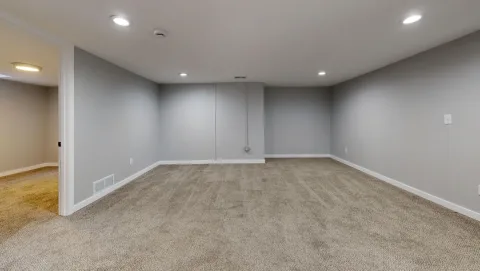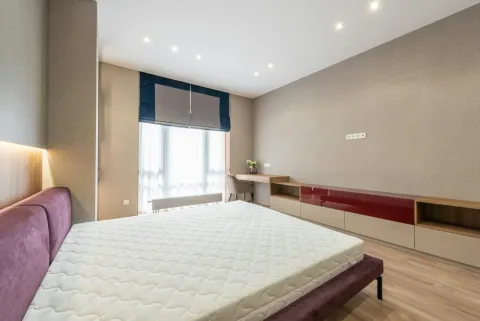

A new build (here meaning post-2015, IECC-compliant or better) is engineered to keep conditioned air inside. Blower-door results of 3 ACH50 or lower are common, 1 ACH50 is achievable, and the result is an envelope that does not breathe on its own. That is excellent for energy bills and poor for IAQ unless mechanical ventilation does the breathing instead. The dashboard signature is unmistakable: CO2 climbs steeply when the family is home and recovers slowly when they leave, VOC index runs high in the first 6-24 months as new flooring, cabinets, and paint off-gas, RH gets stuck high in summer and low in winter without dedicated humidity control, and any radon present has nowhere to escape. Building code in most jurisdictions now requires a continuous mechanical ventilation system (HRV or ERV) sized to the ASHRAE 62.2 rate; verify yours is actually running, because the leading IAQ failure in new builds is a contractor who installed but never commissioned the unit.
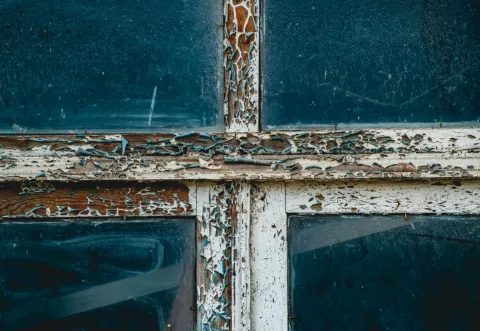
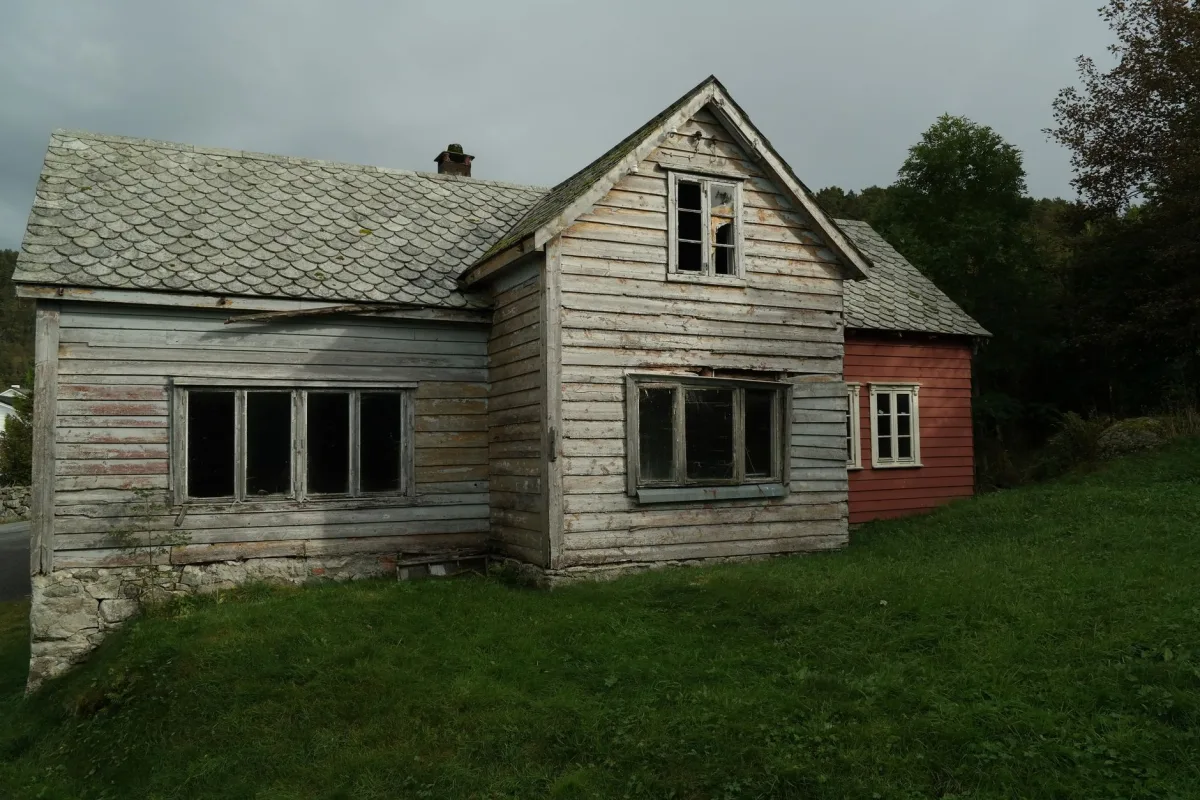
An old house (pre-1978, or really anything pre-air-sealing-as-best-practice) breathes whether you want it to or not. Blower-door results of 10-25 ACH50 are typical, the building leaks at the rim joist, the attic hatch, the window frames, and the basement sill plate, and on a windy day the whole house turns over its air every few hours with no fan involved. The dashboard signature is the inverse: CO2 rarely climbs above 800-900 ppm even with the family home and all doors closed, VOC index runs low baseline (cumulative deposits aside), and humidity tracks outdoor conditions much more tightly. That sounds good and partly is. The problems are different: lead paint in any home painted before the 1978 federal ban, vermiculite or asbestos insulation in homes built before the 1989 partial EPA ban and especially anything pre-1980, accumulated mold in basements that have flooded over decades, and uncontrolled drafts that you cannot tune to actual occupancy.
Which is "better" depends on the question. For energy, new build wins on every metric: tighter envelope, better insulation, modern equipment. For acute pollutants (a cooking spike, a candle session, a paint job), new build is worse because the air does not recover on its own; you have to run the ventilation. For chronic ambient air (background CO2, ambient VOC, average humidity), new build wins because you can engineer the result rather than depending on weather. For legacy hazards (lead, asbestos, vermiculite, historic mold), old house carries baggage that no amount of ventilation tuning can fix. For radon, neither era is safer in isolation: tight builds trap it longer once it enters, leaky builds let more in but also let more out; both need testing. For sound and "feel," people often prefer old houses because the natural ventilation produces a kind of background freshness that mechanical systems struggle to replicate. The dashboard cannot answer the preference question; it can quantify the tradeoff.
Practical priorities. In a new build, your first IAQ project is to commission and tune the mechanical ventilation: confirm it runs, confirm the rate matches ASHRAE 62.2, set the boost mode to trigger on a CO2 threshold, and budget for the first 12-month VOC off-gas curve (see reducing VOCs indoors). In an old house, your first IAQ project is to test for the legacy stuff (radon kit, lead paint test before any sanding, asbestos awareness before any demolition; see lead paint and renovation dust and asbestos in older homes) and to dehumidify the basement if you have one. The LBNL envelope research is clear that air-sealing an old house is almost always net-positive for IAQ, but only if you add mechanical ventilation as you do it; sealing without ventilating turns an old house into a new build with all of the new-build problems and none of the new-build equipment. See also sealing and air tightness and radon detection considerations.
This is general guidance, not a substitute for professional assessment of your specific home. Major interventions (HVAC redesign, sealing a leaky envelope, mold remediation, electrical work for fans or venting) should be done with a certified professional. For chronic problems that don't respond to the steps here, see when to call a pro.
References
- ASHRAE Standard 62.2 - Residential ventilation www.ashrae.org
- LBNL - Building envelope publications buildings.lbl.gov
- EPA - Lead www.epa.gov
- EPA - Asbestos www.epa.gov