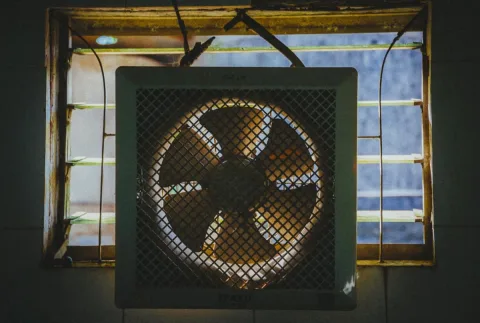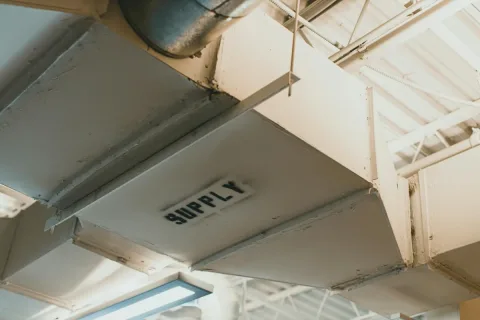

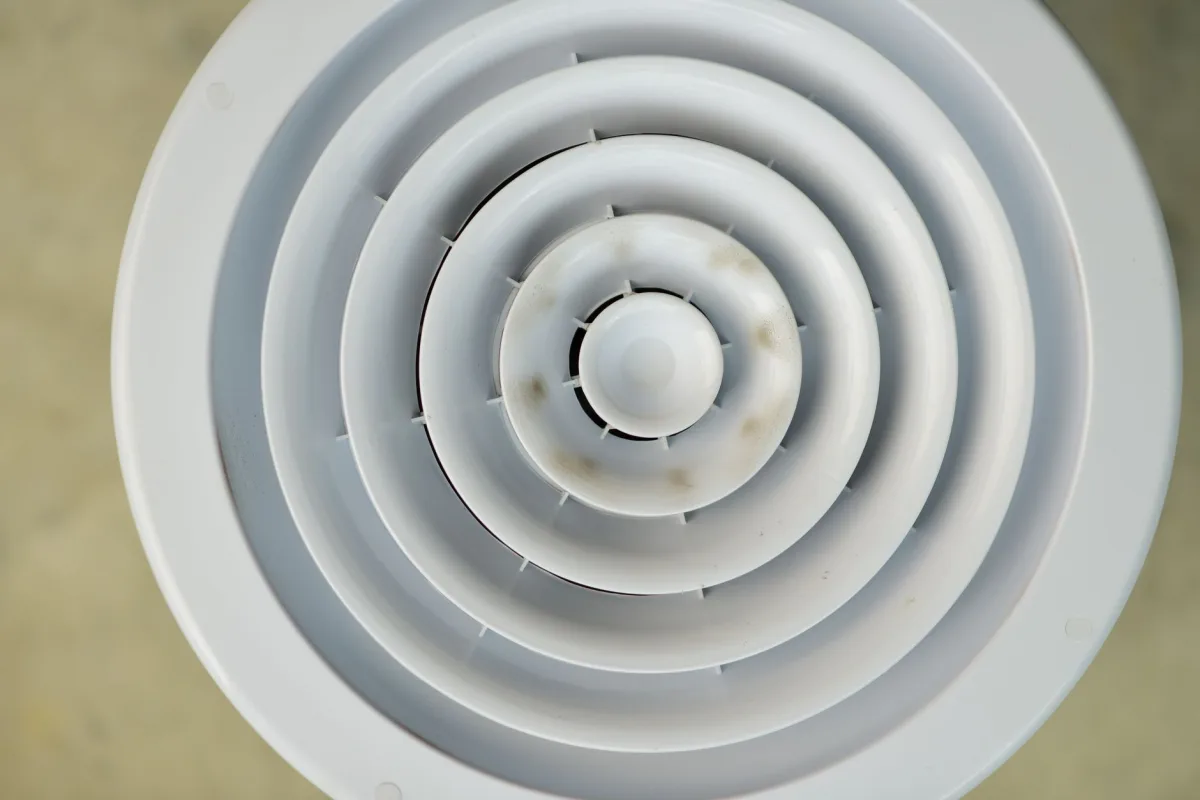
Le CO2 intérieur est une approximation de l'adéquation de la ventilation par rapport à l'occupation. Un CO2 soutenu au-dessus de 1 000 ppm (selon les directives résidentielles à long terme de Santé Canada) ou au-dessus de 1 100 ppm (selon ASHRAE 62.1) signifie que l'une de quatre choses ne va pas.
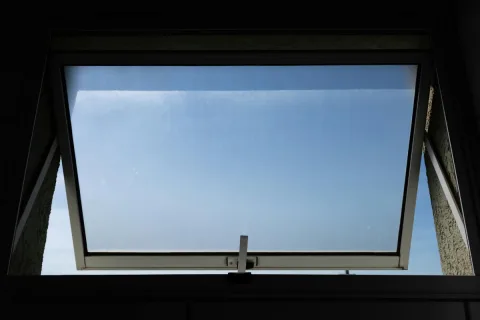
1. L'occupation est élevée. Une pièce dimensionnée pour deux occupants qui en contient six lors d'une soirée film atteindra 1 500 ppm quelle que soit la qualité du bâtiment. Diagnostic : le CO2 suit l'occupation attendue. Action : temporairement, ouvrir une fenêtre ou déplacer les gens. Soutenu, il vous faut plus de ventilation.
2. La ventilation est sous-dimensionnée. Les enveloppes éconergétiques modernes peuvent être trop étanches pour que l'infiltration naturelle atteigne les minimums ASHRAE 62.2. Diagnostic : le CO2 grimpe régulièrement même à l'occupation normale et ne récupère jamais complètement. Action : installer ou améliorer un VRC/VRE ; en espaces commerciaux, considérer la DCV. 3. L'enveloppe est inhabituellement étanche (nouvelle construction, récemment scellée). Même symptôme que ventilation sous-dimensionnée ; même correctif.
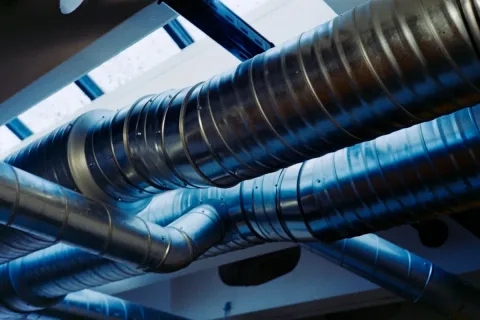
4. Le CVCA ne fonctionne pas en mode air frais. Plusieurs systèmes sont par défaut en recirculation ; le registre d'air frais peut être coincé, bloqué ou réglé fermé. Diagnostic : le CO2 grimpe même quand le CVCA fonctionne. Action : faire vérifier le CVCA. En attendant que la ventilation soit réparée : ouvrir les fenêtres lors de conditions extérieures favorables (voir fenêtres ouvertes ou fermées), limiter la densité de pièce quand possible, et vérifier le CO2 de chambre si la qualité de sommeil est affectée.