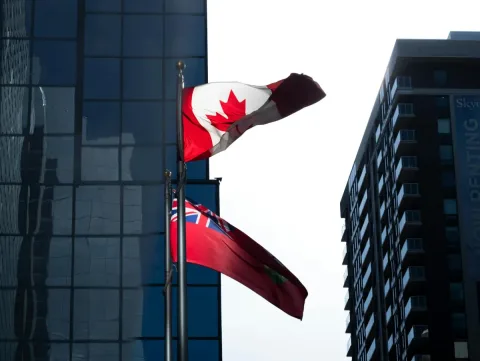
Health Canada residential guidelines
Canada publishes its own residential indoor air guidelines, one pollutant at a time. The NO₂ limits are much stricter than U.S. outdoor standards; for PM₂.₅ there is no number, only "as low as possible."

Guides & support
Set up your sensor, connect your home, and make sense of your air.
Tagged: RegionalBrowse all guides
1–1 of 1 guides
Canada publishes its own residential indoor air guidelines, one pollutant at a time. The NO₂ limits are much stricter than U.S. outdoor standards; for PM₂.₅ there is no number, only "as low as possible."
The same reading means different things in cold-dry, hot-humid, and temperate climates. Knowing your zone tells you which problems to watch for.
Canada uses a 0–10+ health-risk index instead of the US 0–500 AQI. Different math, different recommendations, same goal.
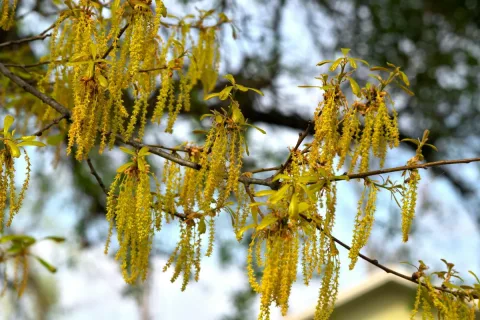
A short list of headline genera covers the broad strokes, but tree pollens vary by region. Oak in the South, cedar in Texas, maple in the Northeast, birch in the North.
Common in the desert Southwest, evaporative coolers add 20-40 grains of moisture to the air for every degree of cooling. Different dynamics than AC, and a different humidity playbook.
Search the knowledge base.