Office IAQ: the 4 p.m. conference-room problem
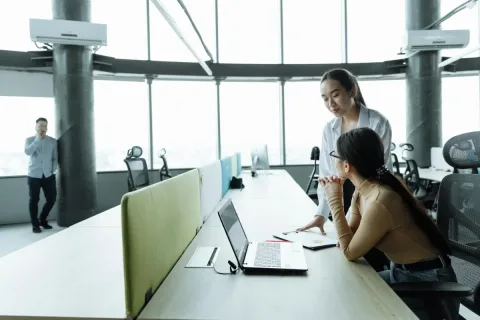
A typical office starts the day near the outdoor CO₂ level and ends it well above 1,000 ppm in the meeting rooms, plus VOCs from cleaning and new furniture and whatever the outdoor air brings in.

Guides & support
Set up your sensor, connect your home, and make sense of your air.
Tagged: WorkplaceBrowse all guides
1–5 of 5 guides
A typical office starts the day near the outdoor CO₂ level and ends it well above 1,000 ppm in the meeting rooms, plus VOCs from cleaning and new furniture and whatever the outdoor air brings in.
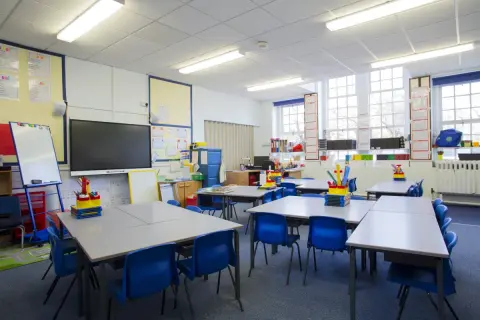
Classrooms exceed CO₂ targets routinely, locker rooms add cleaning-product VOCs, older buildings have mold, and the school bus idles ten feet from the intake. A separate environment from home, with its own problems.
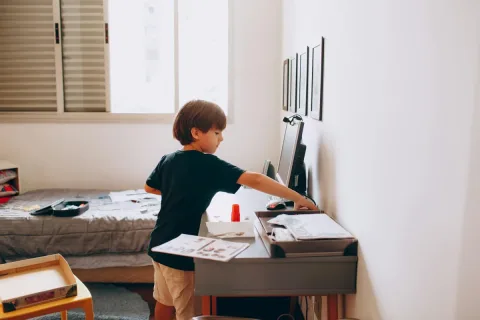
A closed bedroom can accumulate CO₂ during homework. The dashboard can help you check ventilation; it cannot establish why a child is having trouble focusing.
Schools need room-level evidence: CO₂ for ventilation, PM recovery for filtration, humidity for comfort and building risk, and source patterns that facilities teams can act on.
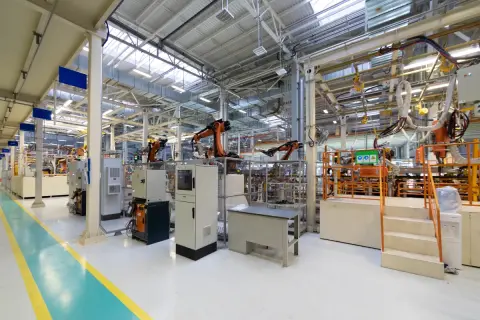
Light-industrial spaces need pattern visibility around dust, combustion, solvents, ventilation, and maintenance. IAQ monitors support triage; they do not replace occupational hygiene instruments.
Search the knowledge base.