
"Pollen" is plural. European pollen forecasts, such as the one Open-Meteo publishes, report six types separately: alder, birch, grass, mugwort, olive, and ragweed. Terrestream does not use that forecast; its pollen levels come from Google (see below). Each peaks in a different window and each provokes a different fraction of the allergic population.
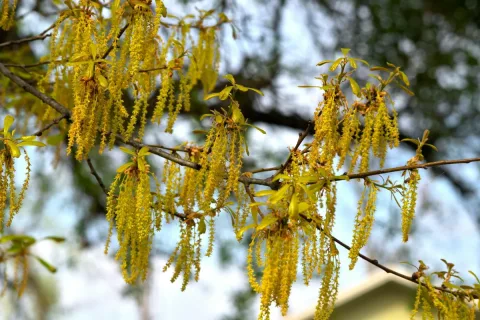
Alder peaks in late winter through early spring (February-April in temperate climates), often the first allergen to drift into homes after winter. Birch follows in April-May, particularly dominant in northern Europe and the U.S. Northeast. Both are tree pollens: heavy, falling fast, but produced in enormous quantities.
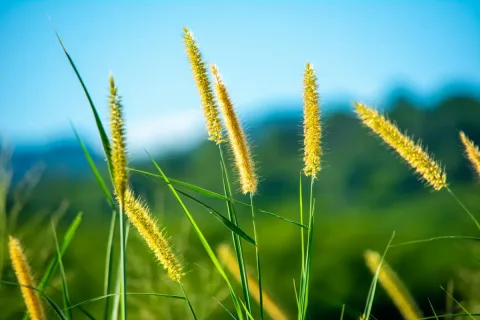
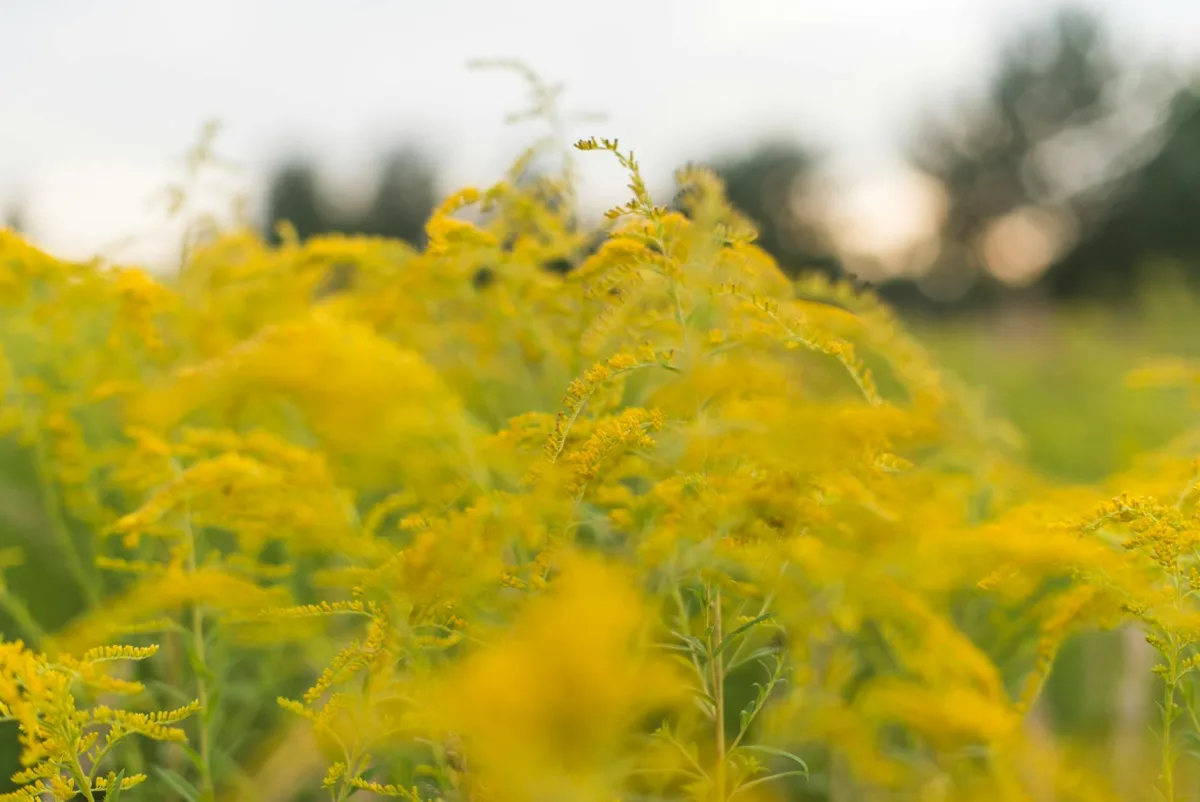
Grass peaks in late spring to early summer (May-July in temperate North America, extending later at higher latitudes). It is the single most prevalent allergen worldwide. Mugwort (Artemisia) is a European late-summer dominant; olive is the Mediterranean spring allergen. Neither is significant in most of North America. Ragweed is the North American late-summer/early-fall driver: peak August through first frost, capable of traveling hundreds of kilometers on wind, and producing some of the largest pollen-count days of any species. EPA documents ragweed season lengthening by 21+ days at northern U.S. latitudes over the past 30 years.
The dashboard's pollen data comes from the Google Pollen API, which rates tree, grass, and weed pollen on a 0–5 index for your location; the app shows those three levels rather than individual species. When pollen is high outdoors, Terrestream's window guidance flags it as a reason for caution before opening windows: the same intervention regardless of species, but knowing which species you react to helps you anticipate your worst weeks.
References
- AAAAI - Pollen allergy guide www.aaaai.org
- Pollen.com - National allergy forecast pollen.com
- Open-Meteo - Air Quality API documentation open-meteo.com
- EPA - Climate change indicators: ragweed pollen season www.epa.gov