
PM10 covers the 2.5-10 μm size range. Compared to PM2.5, these particles settle out of the air faster (minutes to tens of minutes rather than hours), are more efficiently captured by ordinary furnace filters, and contribute more to deposited dust than to inhalation exposure. The interventions that work for PM2.5 work for PM10 as well, but for PM10 the larger lever is cleaning regime rather than airborne filtration.
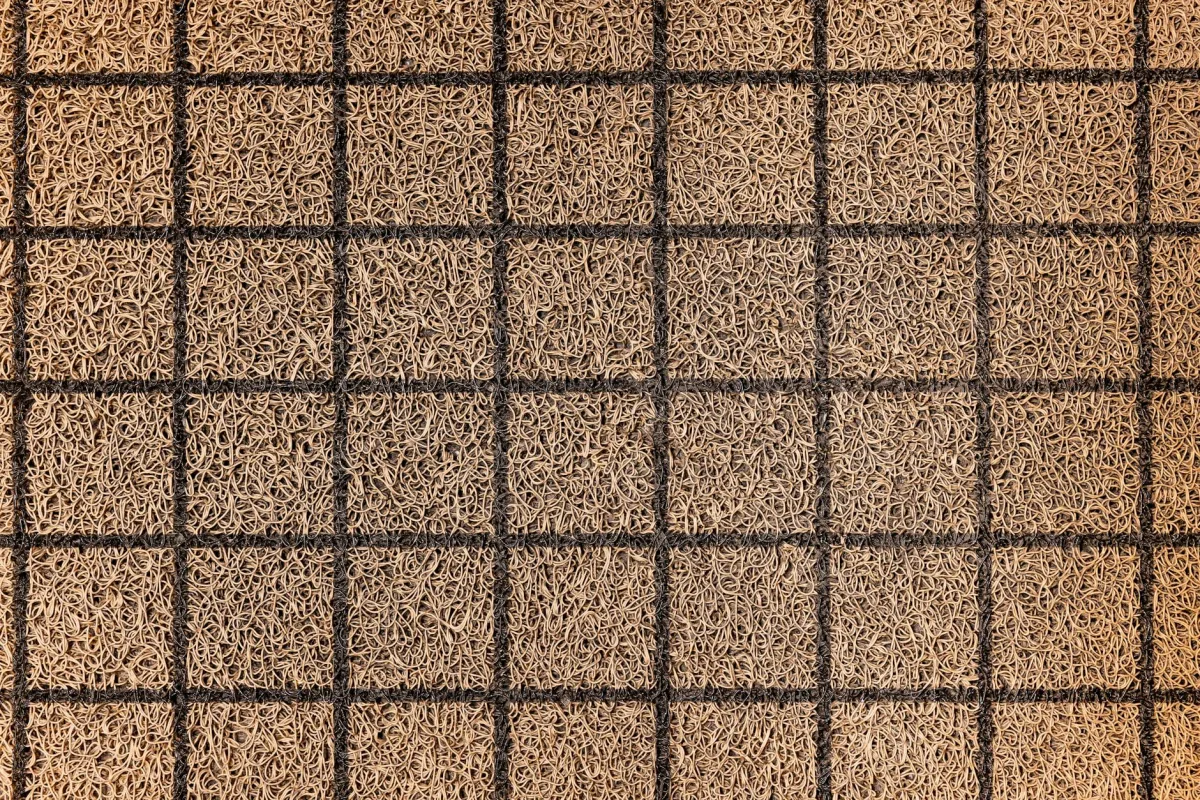
Stop the soil at the door. Walk-off mats inside and outside every primary entrance, sized so each foot lands on the mat twice (interior + exterior). EPA estimates well-designed walk-off systems remove 60-85% of tracked-in soil. This is the single highest-leverage PM10 intervention in most homes. Shoes-off-at-the-door reduces additional tracking; combined with mats, deposited PM10 drops by half or more.
HEPA-vacuum, damp-dust. A standard vacuum cleaner without HEPA filtration emits as much dust into the air as it pulls off the floor; you spend 30 minutes vacuuming and your PM10 is higher when you finish. Use a HEPA-filtered vacuum (look for sealed HEPA enclosure, not just HEPA-rated filter; many cheap vacuums let unfiltered air leak around the filter). Damp-dust rather than dry-dust; a microfiber cloth slightly damp picks up what dry cloth re-suspends.
MERV-13 HVAC filter handles the airborne side. MERV-13 captures most PM10 in a single pass; the HVAC fan continuous-running mode multiplies passes. For allergen-driven PM10 (dust-mite fragments, pollen, pet dander), this is the durable answer. Pollen-heavy days call for window-closed operation with the HVAC on recirculate; see tree pollens regional and pet management.
This is general guidance, not a substitute for professional assessment of your specific home. Major interventions (HVAC redesign, sealing a leaky envelope, mold remediation, electrical work for fans or venting) should be done with a certified professional. For chronic problems that don't respond to the steps here, see when to call a pro.
References
- EPA - Indoor air quality basics www.epa.gov
- AAAAI - Indoor allergens guide www.aaaai.org
- ASHRAE - Standards and guidelines (MERV) www.ashrae.org
- EPA - IAQ Tools for Schools (walkthrough) www.epa.gov