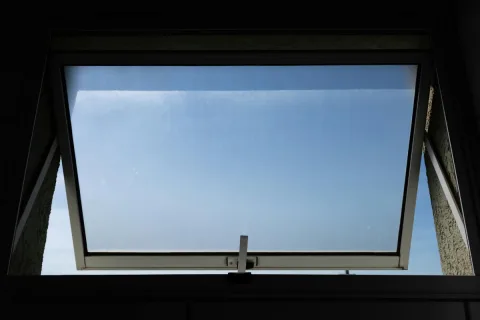

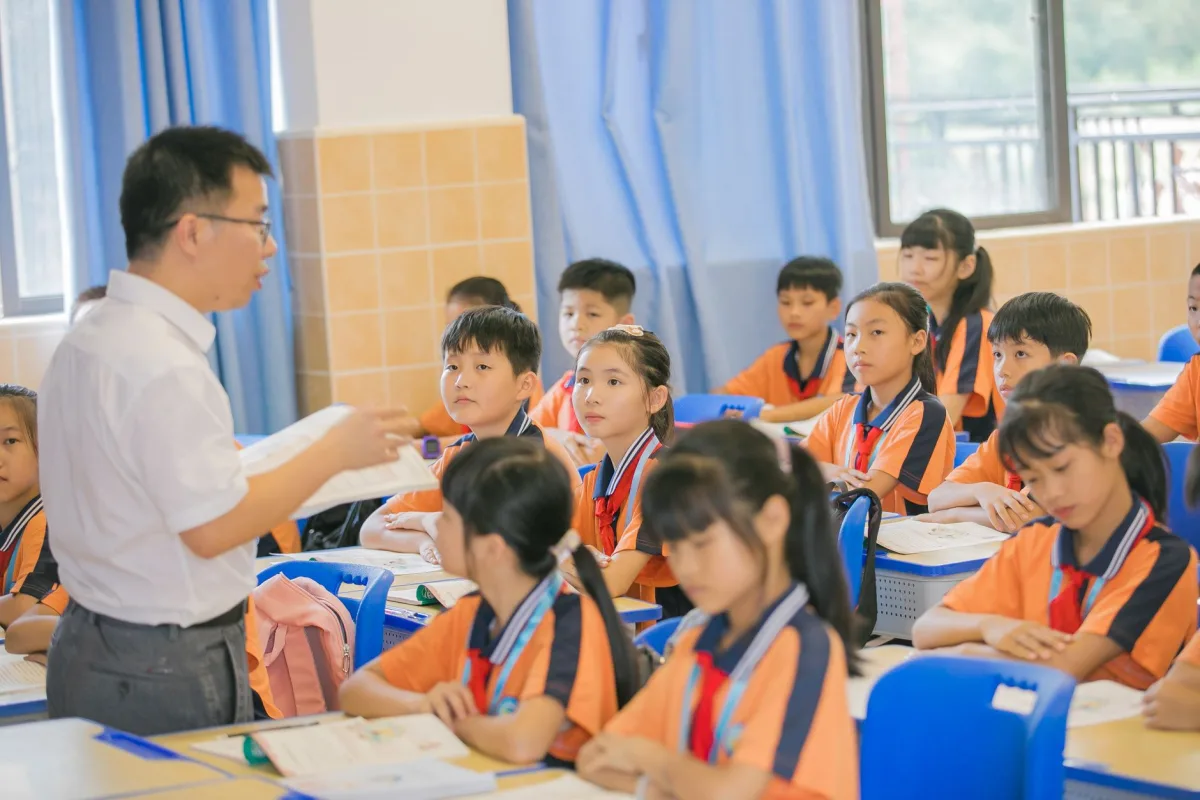
A typical K-12 classroom holds 25-30 students in a room sized for 22 to 28 occupants per ASHRAE 62.1. The ventilation rate per student is fixed by the system design; the actual delivered fresh air depends on whether the HVAC runs, whether unit ventilators have been turned off by teachers seeking quiet, and whether windows can be opened.
Three studies are commonly cited. Haverinen-Shaughnessy et al. estimated ventilation from CO2 in 100 fifth-grade classrooms and found that each extra liter per second of outdoor air per student raised the share of students passing standardized math and reading tests by about 3%. Shendell et al. found that each 1,000 ppm rise in the indoor-outdoor CO2 difference went with a relative 10-20% increase in student absence. Wargocki and Wyon ran blind classroom interventions with 10- to 12-year-olds and found that more outdoor air made them faster at numerical schoolwork.
The interventions are well-established: EPA's IAQ Tools for Schools framework gives a structured approach; key moves are verifying that unit ventilators are operating, replacing filters on schedule, and adding portable HEPA purifiers in chronically under-ventilated rooms. Demand-controlled ventilation in newer schools eliminates the "off all summer, blasted all morning" pattern.
For Terrestream in a school context, the deployment pattern is one sensor per classroom (or one per zone if the HVAC is grouped), with the Facilities workspace flagging classrooms whose ventilation needs attention. Time-of-day patterns identify which classes drift highest (typically the afternoon math class right after lunch). Year-over-year tracking lets facility staff see whether HVAC retrofits actually delivered the promised improvement.