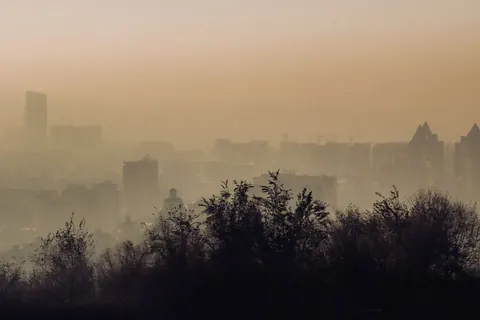

Ozone is unusual among the pollutants Terrestream tracks in that it is overwhelmingly outdoor-driven. Indoor sources exist (laser printers, some electronic air cleaners, ozone generators, bipolar ionization byproducts, occasional malfunctioning electrical equipment) but for most homes the relevant ozone exposure on most days is what migrates in from outside during ozone alerts.
Window timing. Ozone peaks mid-to-late afternoon on hot, sunny, low-wind summer days (photochemical formation from NOx + VOC + sunlight). Indoor levels follow outdoor levels with a lag and a damping factor of roughly 0.2-0.4 in closed homes (much of the ozone reacts with indoor surfaces before it reaches the breathing zone), but with open windows the damping disappears. On AirNow ozone-alert days, close windows during the peak hours (typically 12 PM-7 PM) and open them after sunset when outdoor ozone has fallen.
Avoid ozone-producing devices. Ozone generators marketed as air cleaners: do not own one (the EPA and CARB both warn against indoor use). Bipolar ionization in HVAC systems: deactivate during occupied hours and reassess. Older laser printers in poorly ventilated home offices: vent the room when printing large jobs. Most other consumer electronics produce only trace amounts of ozone. Terrestream does not measure ozone indoors, so it cannot confirm either way.
HEPA filtration does nothing for ozone, and activated-carbon filtration removes it slowly and is consumed faster than most people realize (a single high-ozone day can saturate a small carbon filter). The durable answers are envelope sealing and timing. AirNow publishes hourly ozone forecasts; integrate them with the dashboard's outdoor view to anticipate the peak hours. See ozone for the health-effects background and when to open windows for the broader timing framework.
This is general guidance, not a substitute for professional assessment of your specific home. Major interventions (HVAC redesign, sealing a leaky envelope, mold remediation, electrical work for fans or venting) should be done with a certified professional. For chronic problems that don't respond to the steps here, see when to call a pro.
References
- EPA - Ground-level ozone basics www.epa.gov
- WHO - Ambient air quality and health (ozone) www.who.int
- AirNow - AQI Basics (ozone) www.airnow.gov
- California ARB - Air cleaners and ozone products ww2.arb.ca.gov