HEPA purifiers: the CADR math
A HEPA filter is the most effective single intervention for indoor particulates. Sizing it correctly is the part most people get wrong.

Guides & support
Set up your sensor, connect your home, and make sense of your air.
Tagged: InterventionsBrowse all guides
1–8 of 8 guides
A HEPA filter is the most effective single intervention for indoor particulates. Sizing it correctly is the part most people get wrong.
A $50 box fan, four MERV-13 furnace filters, and twenty minutes of construction. Tests have measured clean air delivery rates of roughly 400 to 850 CFM.
MERV 8 catches dust. MERV 13 catches viruses. MERV 16 catches almost everything HEPA does. Most homes ship with MERV 6.
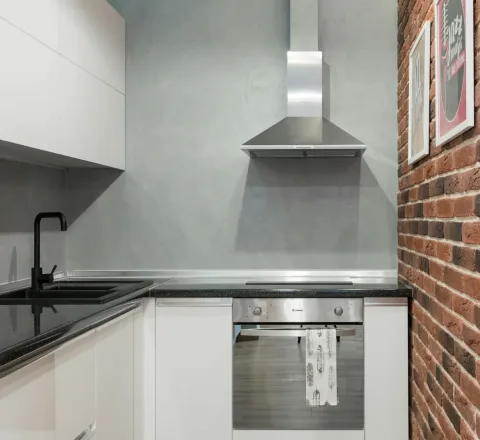
A hood vented outdoors, run on high over the back burners, can capture most cooktop emissions; many installed hoods capture far less. A recirculating hood returns the gases to the kitchen.
You can't replace the HVAC, but you can do most of what matters. Eight interventions that need no landlord permission.
CO₂ is what people exhale. The only durable answer is moving more outside air in. First find out why it stays high, then work the cost-ordered ladder, from free to capital project.
Two levers: stop making fine particles, and remove them when they appear. Start by asking whether the particles come from outside or from a source in the room.
VOCs are easiest to manage by not introducing them. When you cannot avoid them, ventilation and bake-out are the durable tools, and a VOC index that won't settle usually has one of four causes.
The 30–50% RH band is the IAQ sweet spot. Above 60% RH for sustained periods, mold and dust mites become a problem. When humidity is stuck outside the band, four causes cover almost every case.
Search the knowledge base.